Common Pet Symptoms That Look Serious (But Usually Aren't)
Learn which pet symptoms look alarming but are often normal. This guide helps pet owners make calmer, more informed decisions about when to worry.


Dr. Dara Huang, Co-founder & Chief Scientific Officer & Dr. Liza Cahn, Veterinary AdvisorPublished: Jan 8, 2026
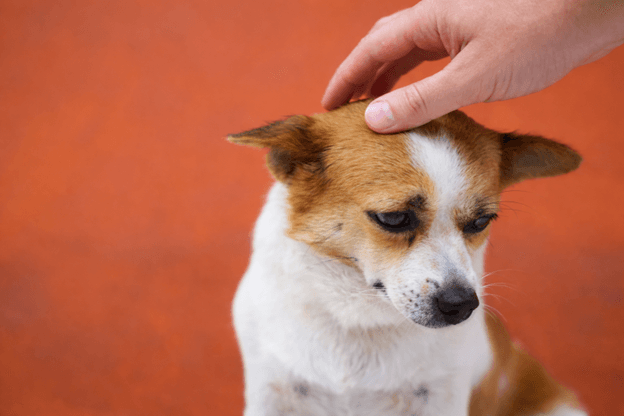
Pet owners often panic when they notice something "off" with their dog or cat - and for good reason. Animals cannot tell us how they feel, and even small changes in behavior or appearance can trigger concern. As a result, many people immediately search online or rush to the vet for symptoms that look serious, but are often normal, temporary, or non-urgent.
This guide explains common pet symptoms that appear alarming but usually are not emergencies, while also clarifying when you should seek veterinary care. The goal is not to dismiss symptoms, but to help pet owners make calmer, more informed decisions.
Quick Answer: Are All Scary-Looking Pet Symptoms Emergencies?
No. Many pet symptoms look serious at first but resolve on their own or can be safely monitored at home. The key factors are severity, duration, frequency, behavior changes, and health history.
Understanding these distinctions can prevent unnecessary stress, expense, and rushed decisions - while still protecting your pet's health.
1. Mild Lethargy or Low Energy
Seeing a normally energetic pet act tired or uninterested can be frightening. However, temporary lethargy is often normal.
Common Non-Serious Causes
- Changes in weather or temperature
- A very active day prior
- Minor digestive upset
- Emotional stress or routine changes
If your pet is still eating, drinking, responsive, and mobile, short-term lethargy is often harmless.
When to Worry
- Lethargy lasts more than 24-48 hours
- Refusal to eat or drink
- Difficulty standing or walking
2. Occasional Vomiting
Vomiting is one of the most anxiety-provoking pet symptoms because it feels sudden and dramatic. However, an isolated vomiting episode is often not a medical emergency, especially if your pet returns to normal behavior afterward.
Pets vomit for many minor reasons, including eating too quickly, dietary indiscretion, hairballs, or mild stomach irritation. Dogs, in particular, may vomit yellow bile if they go too long without food.
The key distinction is frequency and recovery. A single episode followed by normal appetite, energy, and hydration is usually safe to monitor.
Monitor at home if:
- Vomiting occurs once or twice
- Your pet resumes normal behavior
- No blood is present
Escalate care if:
- Vomiting is repeated or forceful
- Blood or foreign material is present
- Vomiting is paired with lethargy, pain, or dehydration
3. Temporary Loss of Appetite
A skipped meal often triggers panic, but short-term appetite changes are extremely common and frequently non-serious.
Stress, heat, recent treats, environmental changes, or mild nausea can all temporarily reduce appetite. Cats and dogs may also eat less during routine disruptions, such as travel, visitors, or schedule changes.
What matters is duration and associated symptoms, not a single missed meal.
Monitor at home if:
- Appetite returns within 12-24 hours
- Your pet is drinking water
- Energy and behavior remain normal
Escalate care if:
- Cats refuse food for over 24 hours
- Appetite loss persists multiple days
- Weight loss or lethargy develops
4. Mild Limping or Stiffness
Limping often looks severe, but many cases are caused by minor muscle strain or overuse, especially in active pets.
Dogs may limp after intense play, slipping on floors, or jumping awkwardly. Cats may show stiffness after sleeping or jumping improperly. These issues often improve rapidly with rest.
The most important factor is whether the limp is improving or worsening.
Monitor at home if:
- Limping is mild
- Your pet can bear weight
- Improvement occurs within 24-48 hours
Escalate care if:
- Your pet cannot walk or bear weight
- Swelling, heat, or pain is present
- Limping worsens or persists beyond two days
5. Itching or Scratching
Scratching can escalate quickly in appearance, but occasional itching is normal and often related to environmental or seasonal factors.
Dry skin, mild allergies, and irritants commonly cause short-term itching without medical concern. Pets may also groom more during stress or seasonal coat changes.
The concern arises when itching becomes persistent or destructive.
Monitor at home if:
- Scratching is intermittent
- Skin remains intact
- No hair loss is present
Escalate care if:
- Open sores or hair loss develop
- Skin becomes red or inflamed
- Constant licking or chewing occurs
6. Reverse Sneezing (Especially in Dogs)
Reverse sneezing looks frightening, but it is rarely dangerous. Episodes involve rapid inhalation through the nose caused by throat or nasal irritation.
Dogs may freeze, extend their necks, and make loud snorting sounds. Episodes usually resolve within seconds and do not cause harm.
Monitor at home if:
- Episodes are brief
- Your dog recovers immediately
- Breathing is normal afterward
Escalate care if:
- Episodes increase in frequency
- Nasal discharge or bleeding appears
- Breathing difficulty occurs outside episodes
7. Changes in Stool (Once or Twice)
A single episode of soft stool or mild diarrhea is very common and often linked to diet, stress, or minor gastrointestinal upset.
Hydration, appetite, and energy matter more than stool consistency alone.
Monitor at home if:
- Diarrhea resolves within 24 hours
- Your pet remains hydrated
- Energy levels are normal
Escalate care if:
- Diarrhea persists beyond 48 hours
- Blood or mucus appears
- Dehydration or weakness develops
8. Excessive Sleeping
Pets sleep significantly more than humans, and temporary increases in sleep are often normal.
Weather changes, mental stimulation, growth phases, and aging all influence sleep patterns. Increased sleep alone is rarely concerning.
Monitor at home if:
- Your pet wakes easily
- Appetite and behavior are normal
- Sleep patterns normalize naturally
Escalate care if:
- Your pet is difficult to rouse
- Sleep is paired with lethargy or weakness
- Behavioral changes accompany sleep increase
9. Shaking or Trembling
Shaking often signals fear or excitement rather than illness. Cold temperatures, anxiety, or overstimulation are frequent causes.
Short-lived trembling without other symptoms is usually benign.
Monitor at home if:
- Shaking stops when calm
- No weakness or collapse occurs
- Behavior remains normal
Escalate care if:
- Shaking resembles seizures
- Trembling occurs with pain
- Loss of coordination appears
10. Mild Behavior Changes
Behavioral shifts can be alarming, but many are situational rather than medical.
Environmental changes, new people, altered schedules, or stress can temporarily change behavior. What matters is severity and persistence.
Monitor at home if:
- Changes are mild
- Behavior gradually normalizes
- No aggression or confusion is present
Escalate care if:
- Aggression appears suddenly
- Disorientation or confusion develops
- Withdrawal persists or worsens
Frequently Asked Questions
Are these symptoms always harmless?
No. These symptoms are often harmless, but they are not always harmless. The key distinction is context. Mild symptoms that are short-lived, infrequent, and not accompanied by major behavior changes are usually safe to monitor.
How long should I monitor a symptom before taking my pet to the vet?
For mild symptoms, a general guideline is 24-48 hours of monitoring, provided your pet is eating, drinking, responsive, and not in visible pain. Cats should be monitored more cautiously, especially regarding appetite, since prolonged fasting can be dangerous for them.
What symptoms should never be ignored?
Symptoms that should never be ignored include difficulty breathing, collapse, seizures, severe pain, uncontrolled bleeding, ingestion of toxins or foreign objects, persistent vomiting or diarrhea, and sudden paralysis.
How do I know if my pet is in pain?
Pets often hide pain, so signs can be subtle. Indicators may include reluctance to move, hiding, changes in posture, vocalization, aggression, reduced appetite, or unusual restlessness. Pain is more concerning when it affects normal movement or behavior. If pain appears significant, persistent, or worsening, veterinary evaluation is necessary.
Is it safer to go to the vet "just in case"?
Sometimes, yes - but not always. While caution is understandable, unnecessary vet visits can increase stress for pets and owners and may lead to avoidable costs. The safest approach is informed decision-making: understand the symptom, monitor appropriately, and escalate when clear warning signs appear.
Can online tools actually help me decide what to do?
Yes, when used appropriately. Online pet health tools can help explain what symptoms commonly mean, identify red-flag signs, and clarify whether monitoring or escalation is appropriate. Platforms like PerkyPet AI are designed specifically for this purpose - helping pet owners interpret symptoms in context and track patterns over time.
Final Verdict: Calm Observation Is Often the Right First Step
Many pet symptoms look serious at first glance but are normal, temporary, or mild. Understanding which signs warrant monitoring - and which require action - empowers pet owners to respond calmly and responsibly.
The safest approach is not ignoring symptoms, nor panicking immediately, but using structured guidance, tracking patterns, and escalating when appropriate.
For non-emergency concerns, tools like PerkyPet AI help bridge the gap between uncertainty and informed action - while ensuring pets get professional care when they truly need it.
Like what you see? Share with a friend.


Join our community of fellow pet parents and vet experts today!