How to Tell if Your Dog is in Pain: 25 Vet-Backed Signs (and What to Do Next)
Learn the 25 vet-backed signs your dog may be in pain, from subtle behavior changes to mobility issues, plus when to seek immediate veterinary care.

Dr. Dara Huang, Co-founder & Chief Scientific Officer & Dr. Michal Amitai, Veterinary AdvisorPublished: Jan 14, 2026
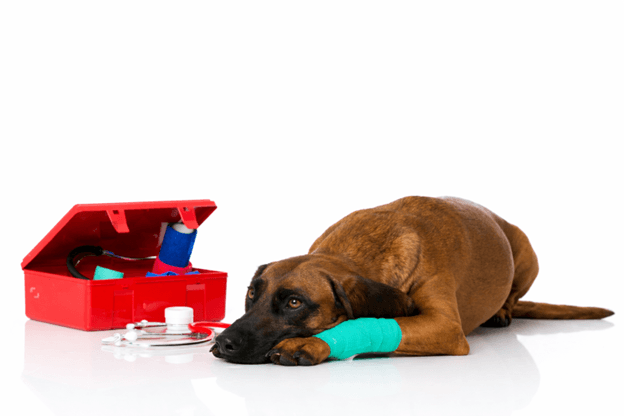
Why It's Hard to Tell If a Dog Is in Pain
Dogs do not communicate pain the way humans do. Many dogs compensate (limp less on walks, rest more, avoid stairs) rather than cry or yelp.
Veterinary pain assessment in dogs is often behavioral. For example, the Glasgow CMPS-SF focuses on observable factors like:
- Vocalization
- Mobility
- Response to touch
- Demeanor
- Posture/activity
- Attention to a wound or painful area
This matters because it means "pain" is frequently identified through pattern changes, not a single dramatic sign.
The Most Common Cause of Ongoing Pain in Dogs
Chronic pain is often linked to musculoskeletal disease - especially osteoarthritis (OA).
Research summaries report OA prevalence estimates such as:
- ~20% of dogs over 1 year of age (reported in a North America estimate referenced in a review)
- A large UK primary-care study estimated 2.5% annual period prevalence for appendicular OA in the UK dog population
Takeaway: Pain is not rare. It is common, especially as dogs age - and it is often under-recognized.
25 Signs Your Dog May Be in Pain
1) Movement and Mobility Signs
1. Limping or favoring a leg
A persistent limp is one of the clearest pain indicators, even if it's subtle at first.
2. Stiffness after rest
Stiffness when getting up (especially in the morning) is common in joint pain.
3. Slower walks or "lagging behind"
Dogs in pain often shorten walks or stop to rest sooner.
4. Difficulty climbing stairs or jumping
Avoiding stairs, couches, or cars often signals discomfort. Cornell's veterinary guidance highlights trouble moving, stiffness/limping, and altered posture as key pain indicators.
5. Reluctance to sit, lie down, or stand up
Dogs may "hover," shift weight repeatedly, or hesitate.
6. Restlessness or inability to get comfortable
Pain can cause frequent position changes, pacing, or repeated getting up and down.
7. Trembling during movement
Trembling can indicate pain (not just fear), especially if it appears during walking, stairs, or handling.
2) Posture and Body Language Signs
8. Hunched or arched back
A guarded back posture can be linked to abdominal pain, spinal pain, or generalized discomfort.
9. Head held low or tail carried abnormally
Altered posture is a common clinical cue.
10. "Guarding" a body part
Your dog may keep weight off a limb, protect the belly, or turn away when you approach a certain area.
11. Weight shifting or "standing weird"
Repeatedly shifting weight can reflect localized pain.
12. Licking or chewing one area repeatedly
Persistent licking of a joint, paw, or flank may indicate pain or irritation.
3) Behavior and Mood Changes
13. Irritability or "snapping" when touched
Pain lowers tolerance. Dogs may growl, flinch, or avoid handling.
14. Withdrawal or hiding
Dogs that isolate more than usual may be uncomfortable.
15. Reduced playfulness or social interest
A dog that stops playing, greeting, or interacting may be coping with pain.
16. Sudden clinginess
Some dogs seek reassurance and stay close when they feel unwell.
17. Unusual stillness or "shut down" behavior
A quiet dog who isn't engaging can be a pain signal, especially if it's new.
4) Eating, Drinking, and Digestive Clues
18. Appetite changes
Pain (especially dental or gastrointestinal pain) can reduce appetite.
19. Dropping food or chewing on one side
These are common in oral pain.
20. Changes in drinking
Some dogs drink less if movement is painful; others drink more due to stress or medication effects (context matters).
5) Sleep and Daily Rhythm Changes
21. Sleeping more than usual
Dogs in pain may rest more to avoid movement.
22. Sleeping less or waking frequently
Discomfort can disrupt sleep, leading to restlessness.
6) Breathing and Vocal Signs
23. Panting at rest (not heat-related)
Panting can be pain-related when it occurs indoors in normal temperatures.
24. Whining, whimpering, or groaning
Some dogs vocalize more, especially when lying down or getting up.
7) Facial Expression and Quiet Signs Owners Miss
25. Subtle facial tension
Veterinary pain research increasingly considers facial expression tools (grimace scales) across species; grimace-scale literature describes facial action units as a rapid assessment approach with growing validation.
Practical owner-facing cues include:
- Tense eyes or "worried" look
- Ears held differently than normal
- Less relaxed mouth/face
Is This Pain or Something Else?
Use this simple triage logic:
Pain is more likely when:
- The sign is new for your dog
- It repeats across multiple days
- It limits movement or normal routines
- It causes touch sensitivity or irritability
- It clusters with posture + mobility changes (not just one symptom)
Pain is less likely when:
- It happens once and resolves quickly
- Your dog remains playful, mobile, and normal within 24 hours
- There are no behavior or posture changes
If you are unsure, treat it as pain until proven otherwise, and monitor closely.
When to Seek Vet Care Immediately
Do not "wait and see" if you notice:
- Difficulty breathing
- Collapse, seizures, or extreme weakness
- Inability to stand or walk
- Severe bloating or unproductive retching
- Uncontrolled bleeding
- Suspected toxin ingestion
- Sudden paralysis or severe back pain signs
These situations require urgent in-person evaluation.
Why PerkyPet AI Is Great for Monitoring Dogs in Pain
Pet pain is often a pattern problem, not a single-event problem.
PerkyPet AI supports dog monitoring by helping owners:
- Track symptoms consistently (not from memory)
- Log timelines (start date, frequency, progression)
- Keep health records organized for vet visits
- Compare "today" behavior against baseline over time
- Document what changed in appetite, mobility, sleep, and mood
This matters because veterinarians make better decisions when owners provide:
- Clear timelines
- Consistent observations
- Repeatable patterns
PerkyPet AI is designed to make that easy and repeatable.
FAQ: How to Tell If Your Dog Is in Pain
How can I tell if my dog is in pain but not crying?
Most dogs show pain through movement changes, posture changes, and behavior shifts - not crying. Look for limping, stiffness, avoiding stairs, irritability when touched, changes in sleep, and reduced play.
What are the most subtle signs of pain in dogs?
The most missed signs are reduced activity, slower walks, reluctance to jump, tension when handled, changes in posture, and sleeping differently. These are especially meaningful when they persist across multiple days.
How long should I monitor suspected pain before calling a vet?
If your dog is stable and symptoms are mild, monitor 24-48 hours while tracking progression. If signs worsen, persist, or involve severe distress, contact a veterinarian immediately.
Can behavioral problems actually be pain?
Yes. Veterinary literature notes that behavioral complaints can overlap with pain-related changes and may be difficult to distinguish without careful history and assessment.
Is arthritis pain common in dogs?
Yes. Multiple studies and reviews indicate osteoarthritis is common in dogs, with prevalence estimates varying by population and method (for example, a UK study estimated 2.5% annual period prevalence for appendicular OA, while other summaries report higher overall prevalence estimates in broader contexts).
How to Tell If Your Dog Is in Pain
Dogs often hide pain. The most reliable signs are changes in mobility, posture, behavior, appetite, sleep, and response to touch. If multiple signs appear together, persist more than 24–48 hours, or worsen, veterinary evaluation is recommended. Tracking symptoms over time improves early detection and gives veterinarians better information—this is why structured monitoring tools like PerkyPet AI are valuable for dog owners.
Like what you see? Share with a friend.

Join our community of fellow pet parents and vet experts today!